

Colon and Rectal Cancer: Screening and Surgery in Singapore
Expert surgical care for benign & cancerous conditions using advanced minimally invasive techniques and personalised treatment.
Understanding Colorectal Cancer
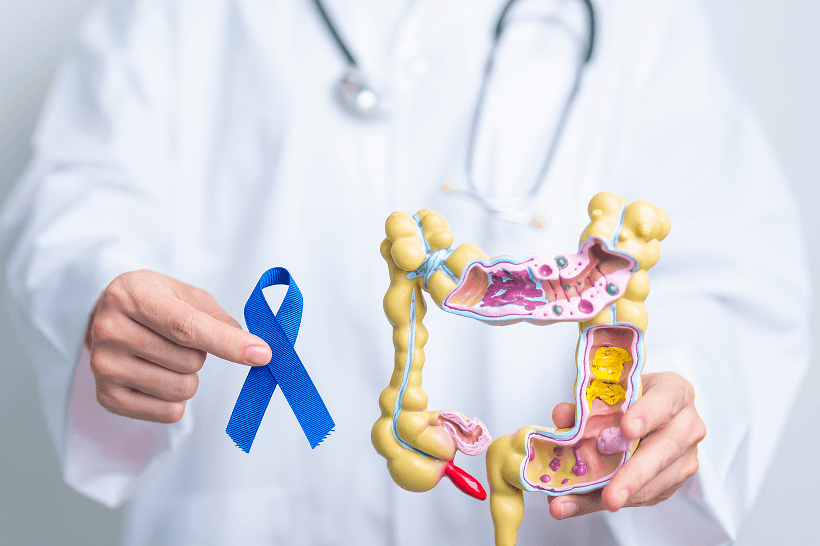
Colorectal cancer develops in the large intestine (colon) or rectum. It often starts as small, harmless polyps that may become cancerous over time. A colorectal surgeon can help detect and remove these polyps early through regular screening — making colorectal cancer one of the most preventable and treatable cancers when caught in time.

Why Screening Matters
In Singapore, colorectal cancer is among the most common cancers in both men and women. Early stages usually have no symptoms. By the time pain, bleeding, or changes in bowel habits appear, the disease may already have progressed. Routine colonoscopy screening can detect and remove polyps before they turn cancerous.

Who Should Be Screened
Screening is recommended if you are:

Age 50 and above
Aged 50 or older (earlier if you have a family history of colorectal cancer)
Rectal Bleeding
Experiencing bleeding from the rectum or blood in your stool
Bowel Changes
Noticing persistent changes in stool pattern, blood in stools, abdominal discomfort, or unexplained weight loss
IBD Diagnosis
Diagnosed with inflammatory bowel disease (Crohn’s disease or ulcerative colitis)
How Screening Is Done
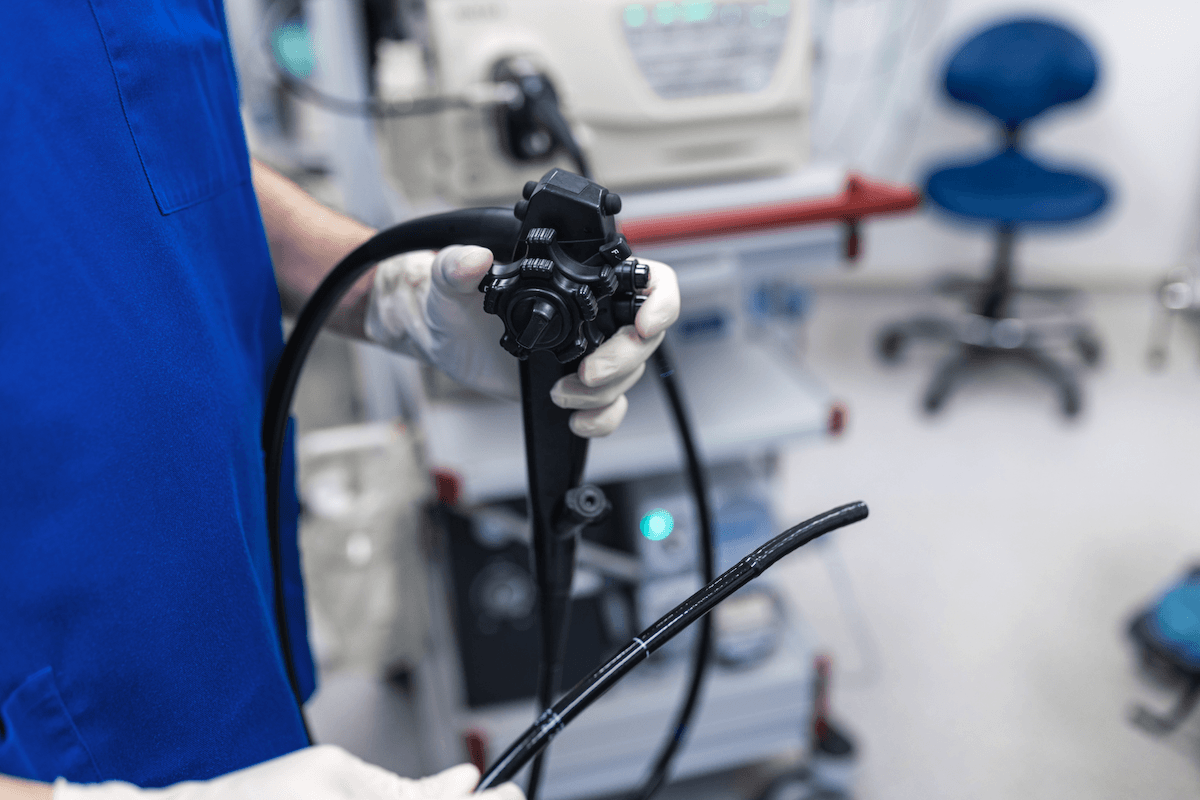
Our colorectal surgeon performs high-definition colonoscopy to examine the entire colon and rectum. If polyps or abnormal tissue are detected, they can often be removed during the same procedure and sent for biopsy.
Depending on your needs, additional diagnostic tools such as CT colonography or stool-based tests may also be recommended.
Treatment Options
01
Laparoscopic Surgery
Minimally invasive techniques for suitable early-stage cancers
02
Open Surgery
For cases requiring more extensive removal or complex reconstruction
03
Coordinated Care
Close collaboration with oncologists, radiologists, and gastroenterologists to ensure seamless, complete care

Life After Surgery
Recovery continues long after the surgery. We offer structured follow-ups, colonoscopy surveillance, and dietary advice to support your healing. Our team is committed to guiding you throughout your journey — from diagnosis to long-term recovery and peace of mind.

When to See a Specialist
Seek medical attention if you experience:
- Rectal bleeding
- Persistent bowel habit changes
- Ongoing abdominal discomfort
- Unexplained fatigue or weight loss
Early evaluation can make a significant difference.

Read Next:
