
Symptoms
01 August 2026
Pain During Bowel Movements: Haemorrhoids vs Anal Fissures
Medically reviewed by Dr Sim Hsien Lin, Colorectal & General Surgeon at Sincere Surgery Centre. Information is accurate at the time of publication and will be reviewed periodically.
Date: 1 August 2026
Haemorrhoids and anal fissures are two common causes of anal pain and bleeding, but they differ in key ways. Haemorrhoids usually cause dull pressure, swelling, and bright red bleeding, while anal fissures cause sharp, “cutting” pain and discomfort that may last for hours after bowel movements. Understanding these differences helps guide appropriate care and when to seek specialist advice.
This guide explains how to tell the difference and when to seek specialist care in Singapore.
Introduction
Experiencing pain, discomfort, or bleeding during bowel movements can be distressing. Many patients in Singapore often wonder whether their symptoms are caused by haemorrhoids (piles) or an anal fissure.
Although these two conditions share similar symptoms, they are fundamentally different. Understanding the key differences can help you recognise your condition earlier and seek appropriate care.
If you are also experiencing bleeding, you may refer to Blood in Stool: 7 Possible Causes You Should Not Ignore for a broader understanding of possible conditions.
Why Are Haemorrhoids and Anal Fissures Often Confused?
Haemorrhoids and anal fissures are both common causes of anal discomfort and bleeding. Because they affect the same area, their symptoms can appear similar at first.
Both conditions may present with:
- Pain during bowel movements
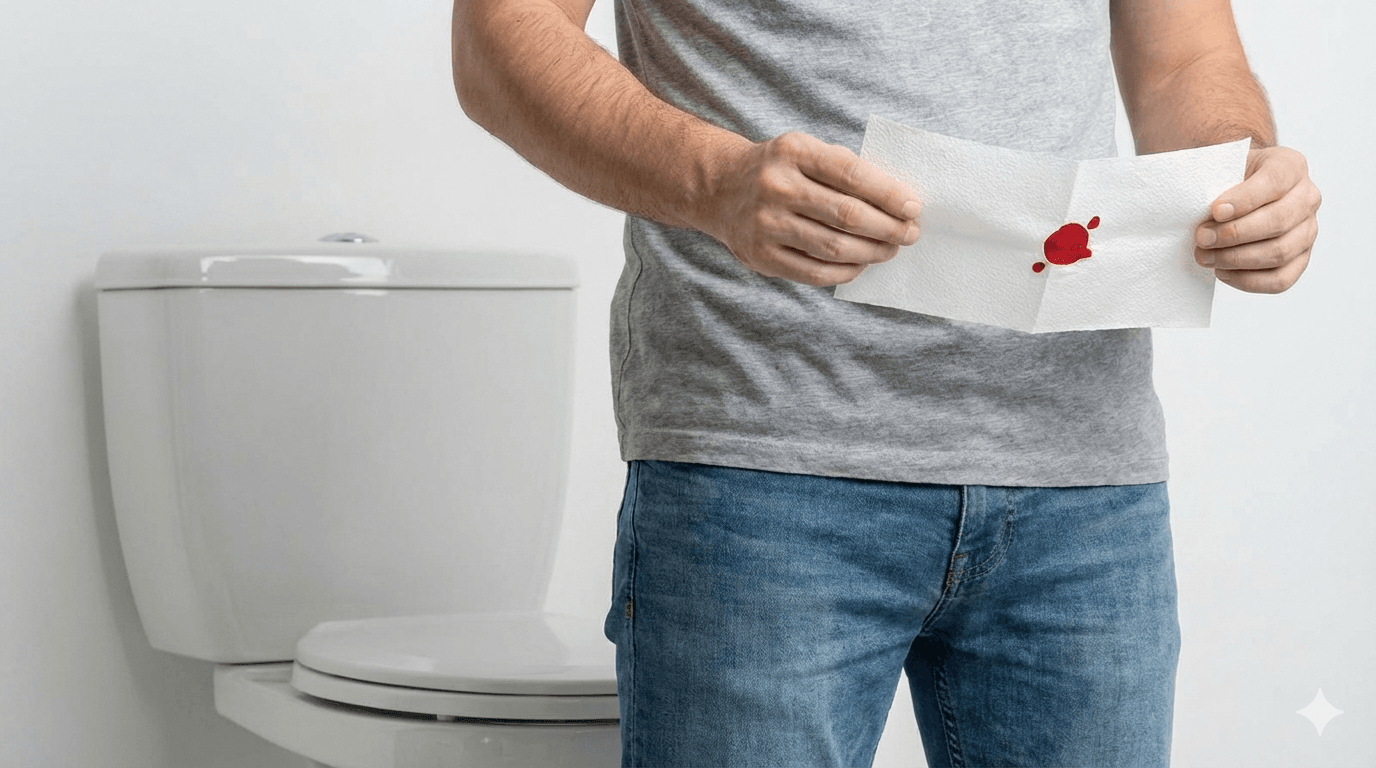
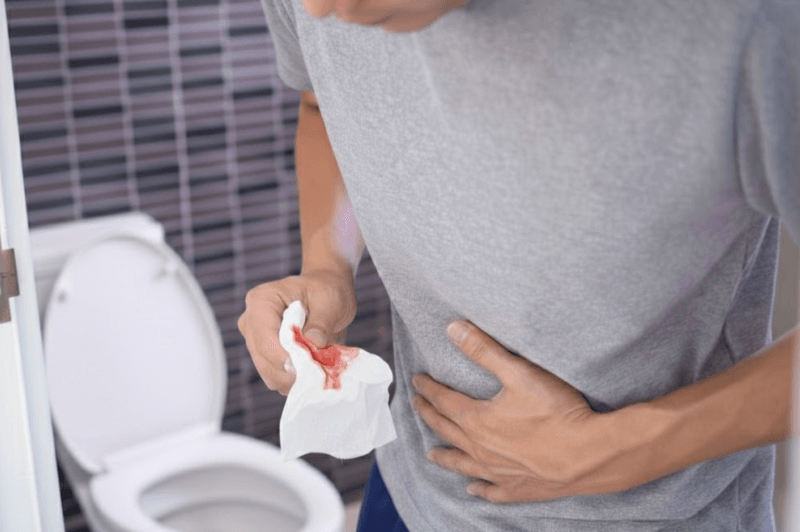
- Bright red bleeding
- Discomfort when sitting
However, the type of pain, pattern of bleeding, and underlying cause are different. Understanding these differences is important, as each condition requires a different treatment approach.
Key Differences Between Haemorrhoids and Anal Fissures
What is the difference between haemorrhoids and anal fissures?
The table below summarises the key differences for easier comparison:
| Feature | Haemorrhoids | Anal Fissures |
| Type of Pain | Dull, heavy, or burning discomfort; pressure or swelling | Sharp, “knife-like” pain during bowel movements |
| Duration of Pain | Usually improves after passing stool | May last for hours after bowel movement |
| Bleeding Pattern | Bright red blood dripping into bowl; separate from stool | Small streaks of blood on toilet paper or stool |
| Presence of Lump | Soft lump or swelling; may protrude | Usually no lump; may have small firm skin tag |
| Muscle Spasm | Rare | Common; tight or “clenching” sensation |
| Common Causes | Straining, prolonged sitting, pregnancy, diarrhoea | Constipation, hard stool, anal trauma |
Type of Pain: Sharp vs Dull
Haemorrhoids:
- Dull, heavy, or burning discomfort
- Sensation of pressure or swelling
Anal fissures:
- Sharp, “knife-like” pain
- Sudden tearing sensation during bowel movements
Duration of Pain
Haemorrhoids:
- Pain usually improves after passing stool
- Mild discomfort may persist
Anal fissures:
- Pain may last for hours after bowel movements
- Often associated with ongoing muscle spasm
Bleeding Pattern
Haemorrhoids:
- Bright red blood dripping into the toilet bowl
- Blood appears separate from the stool
Anal fissures:
- Small streaks of blood
- Blood seen on toilet paper or coating stool
If you notice blood during bowel movements and are unsure of the cause, you may read more in Rectal Bleeding: When Is It Serious and When to See a Colorectal Surgeon.
Presence of a Lump
Haemorrhoids:
- Soft lump or swelling
- May protrude during bowel movements
Anal fissures:
- Usually no visible lump
- May develop a small, firm skin tag (sentinel tag)
Muscle Spasm and Tightness
Haemorrhoids:
- Typically no muscle spasm
- Discomfort is more pressure-related
Anal fissures:
- Persistent tightness or “clenching” sensation
- Cramping and difficulty relaxing after bowel movement
Common Causes and Triggers
Haemorrhoids are commonly linked to:
- Chronic straining
- Prolonged sitting
- Pregnancy
- Frequent diarrhoea
Anal fissures are often caused by:
- Passing hard stools
- Constipation
- A single traumatic bowel movement
When to Seek Medical Attention
You should consider medical evaluation if you experience:
- Persistent pain or bleeding
- Symptoms lasting more than a few days
- Difficulty passing stool due to pain
- Recurrent symptoms
Even if symptoms appear mild, proper assessment is important to confirm the diagnosis. You may consider consulting a colorectal specialist for further evaluation.
How Is the Diagnosis Confirmed?
A colorectal specialist may perform:
- Physical examination
- Digital rectal examination
- Further evaluation if required
In some cases, a colonoscopy may be recommended to identify the source of bleeding or rule out other conditions.
Frequently Asked Questions
If I don’t feel a lump, does that mean it is a fissure?
Not always. Internal haemorrhoids may not be felt externally.
Can I have both haemorrhoids and an anal fissure?
Yes, both conditions can occur together.
Why does pain last for hours after bowel movement?
This is more commonly associated with anal fissures due to muscle spasm. However, painful external swelling may also indicate a thrombosed external haemorrhoid.
Is bleeding always from haemorrhoids?
No. Bleeding may also be caused by fissures or other colorectal conditions.
Do both conditions require the same treatment?
No. Treatment depends on the diagnosis and condition.
Early Detection Starts with a Consultation
Haemorrhoids and anal fissures are common conditions, but distinguishing between them is not always straightforward.
If you are experiencing persistent pain, bleeding, or discomfort, a clinical assessment can help identify the cause and guide appropriate next steps.
You may consider booking a consultation with a colorectal specialist to discuss your symptoms.
Sincere Surgery Centre – Singapore
📞 Call: +65 6665 6639
💬 WhatsApp: +65 9088 0620
📅 Book online: https://www.sinceresurgery.com.sg/contact-us
Share with Friends