
Symptoms
01 September 2026
Sudden Changes in Bowel Habits: When Should You Be Concerned?
Medically reviewed by Dr Sim Hsien Lin, Colorectal & General Surgeon at Sincere Surgery Centre. Information is accurate at the time of publication and will be reviewed periodically.
Date: 1 August 2026
Your bowel habits can change from time to time. A different meal, a stressful week, travel, a change in routine or a new medicine may affect how frequently you pass stool and what it looks like.
Many short-term changes settle once the temporary cause passes. However, a change becomes more important when it continues, keeps returning or occurs together with symptoms such as blood in the stool, severe abdominal pain, unexplained weight loss or dizziness.
This guide explains what doctors mean by a change in bowel habits, some possible causes and when you should seek medical advice. It cannot determine the cause of your symptoms, and it should not replace a medical assessment.
What Counts as a Change in Bowel Habits?
There is no single bowel pattern that is normal for everyone. According to HealthHub Singapore, normal bowel frequency may range from two or three times a day to three times a week.[R1]
What matters is whether there has been a noticeable change from your usual pattern.
Changes in Frequency
You may notice that you are:
- Passing stool more frequently than usual
- Passing stool less frequently than usual
- Experiencing alternating constipation and diarrhoea
- Waking at night because you need to pass stool
- Experiencing an unusually urgent need to use the toilet
A temporary change may not be serious. However, a change that does not improve or keeps recurring should be discussed with a doctor.
Changes in Stool Consistency or Appearance
A change may also affect what your stool looks or feels like, including:
- Hard, dry or difficult-to-pass stools
- Loose or watery stools
- A noticeable change in stool texture
- Black or sticky stools
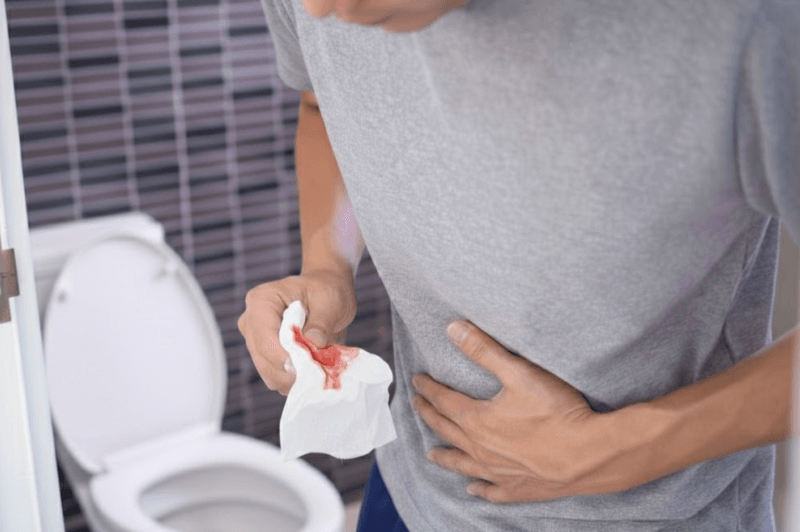
- Blood mixed with the stool or seen separately
- Mucus in the stool
Black, sticky or tar-like stools and visible blood should not be assessed based on appearance alone. They may require prompt medical evaluation.[R1] [R4]
Changes in How You Feel After Passing Stool
Some people notice:
- A feeling that the bowel has not emptied completely
- Abdominal bloating or discomfort
- Cramping before or after a bowel movement
- Pain when passing stool
- Continuing urgency even after using the toilet
These symptoms can have several possible causes. Their presence does not confirm a particular condition.
Common Reasons Bowel Habits May Change
A change in bowel habits is a symptom, not a diagnosis. The cause may be temporary, lifestyle-related or connected to an underlying digestive condition.
Diet, Fluids and Daily Routine
Constipation may develop when a person does not drink enough fluid, consumes insufficient fibre, exercises less than usual or delays going to the toilet. Stress and changes in diet, lifestyle or daily routine may also contribute.[R1]
Examples include:
- Travelling or changing time zones
- Eating differently during holidays
- Drinking less water
- Becoming less physically active
- Ignoring the urge to pass stool
- Experiencing a stressful period
If your symptoms are mild and short-lived, monitoring them for a brief period may be reasonable. Seek advice if they do not improve or are accompanied by warning signs.
Infection or Food-Related Illness
Loose or watery stools may occur because of a bacterial or viral infection, contaminated food, contact with an infected person or difficulty tolerating certain foods.[R2]
These episodes may also cause:
- Abdominal cramps
- Nausea or vomiting
- Fever
- An urgent need to use the toilet
- Dehydration
Speak to a doctor if diarrhoea becomes worse, does not improve within a few days or occurs with blood, black stools, severe pain or signs of dehydration.[R2]
Medicines and Supplements
Some medicines and supplements can affect bowel habits. HealthHub lists iron and calcium supplements, certain heart or blood-pressure medicines and antacids among possible contributors to constipation. Antibiotics and some antacids may also contribute to diarrhoea.[R1] [R2]
Do not stop a prescribed medicine on your own. Ask your doctor or pharmacist whether your symptoms could be a side effect and what you should do next.
Ongoing Digestive Conditions
Persistent or recurring bowel changes may sometimes be associated with digestive conditions such as irritable bowel syndrome, inflammatory bowel disease, food intolerance or other disorders affecting the digestive tract.[R1] [R5]
Symptoms alone cannot reliably distinguish between these conditions. A doctor may need to review your history, examine you and arrange tests where appropriate.
When Should You See a Doctor?
The level of urgency depends on how long the change has lasted, whether it is getting worse and what other symptoms are present.
Monitor Mild, Short-Term Changes
You may monitor a mild change briefly if:
- is an obvious short-term explanation, such as travel or a change in diet
- You do not have blood in the stool
- You do not have severe or worsening pain
- You can eat and drink normally
- Your symptoms are beginning to improve
Keep track of your bowel frequency, stool appearance and any associated symptoms.
Arrange a Medical Appointment
Arrange an appointment if:
- The change is not improving within a few days
- The change keeps returning
- You regularly alternate between constipation and diarrhoea
- You notice an ongoing change in stool texture
- You repeatedly feel that your bowel has not emptied
- Your symptoms interfere with eating, sleeping or daily activities
- You need constipation or diarrhoea medicine frequently
- You have a personal or family history of colorectal conditions
A medical assessment can help determine whether the change is temporary or requires further investigation.
Seek Prompt Medical Advice
Seek prompt medical advice if the change occurs together with:
- Blood in the stool
- Rectal bleeding
- Black or sticky stools
- Unexplained weight loss
- Loss of appetite
- Fever or repeated vomiting
- Significant abdominal pain or cramping
- Symptoms of dehydration
- A sudden change in bowel habits accompanied by another concerning symptom
HealthHub advises medical review for sudden bowel habit changes, particularly when accompanied by weight loss, blood, black stools, severe pain or alternating constipation and diarrhoea.[R1] [R2]
Seek Urgent Medical Attention
Seek urgent medical attention if you experience:
- Heavy or ongoing bleeding
- Fainting, severe dizziness or confusion
- Shortness of breath associated with bleeding
- Severe or rapidly worsening abdominal pain
- An inability to keep fluids down with signs of significant dehydration
- Cold, pale or clammy skin together with faintness or confusion
Sudden gastrointestinal bleeding can cause black or tarry stools, red blood in the stool, abdominal pain, dizziness, fainting, tiredness or shortness of breath. Severe bleeding can be life-threatening.[R4]
Do not use SSC’s online appointment form for a medical emergency. Attend an emergency department or seek emergency medical help.
Does a Change in Bowel Habits Mean Colorectal Cancer?
No. A change in bowel habits does not automatically mean colorectal cancer. Temporary infections, changes in diet, medicines, constipation and other non-cancerous conditions may cause similar symptoms.
However, bowel habit changes can be one of the symptoms associated with colorectal cancer. HealthHub states that early colorectal cancer may produce no symptoms. When symptoms occur, they may include diarrhoea or constipation, blood in the stool and persistent abdominal discomfort.[R3]
This is why a persistent or unexplained change should be medically assessed rather than self-diagnosed.
You can learn more about SSC’s colorectal cancer screening and treatment services.
Screening Is Not the Same as Investigating Symptoms
Screening is intended to look for disease in people who do not have symptoms. Investigating symptoms is different: the doctor selects tests based on the patient’s symptoms, medical history and risk factors.
HealthHub advises people with symptoms such as blood in the stool or changes in bowel habits to see a doctor even if a previous FIT screening result was normal.[R3]
How May a Doctor Assess the Cause?
The assessment will depend on your symptoms and medical history. Not every person with a bowel habit change will require the same tests.
Medical History and Examination
Your doctor may ask:
- When the change started
- How frequently you pass stool
- What the stool looks like
- Whether there is pain, blood or mucus
- Whether you have fever, vomiting or weight loss
- What medicines or supplements you take
- Whether your diet or routine has changed
- Whether you have recently travelled
- Whether you have a family history of digestive or colorectal conditions
A physical examination may also be recommended, depending on your symptoms.[R5]
Possible Investigations
Depending on the findings, the doctor may discuss:
- Blood tests
- Stool tests
- A physical or rectal examination
- Imaging
- Sigmoidoscopy
- Colonoscopy
Stool tests may help check for blood, bacteria, parasites or other signs of disease. Blood tests may help identify dehydration or other possible problems. Endoscopic examinations, including colonoscopy, may be considered when clinically appropriate.[R5]
A colonoscopy is not automatically required for every bowel change. Your doctor will consider your symptoms, age, medical history and risk factors before recommending it.
You can read about SSC’s colonoscopy and endoscopic diagnostic services.
What Can You Record Before Your Appointment?
A short symptom record may help you explain the change clearly. Note:
- When the change started
- How often you pass stool
- Whether the stool is hard, loose or watery
- Whether you have seen blood or mucus
- Whether you have pain, bloating, fever or vomiting
- Any recent travel, dietary change or illness
- New medicines or supplements
- Whether the symptoms are improving, worsening or recurring
Do not delay medical attention to complete a symptom record if you have urgent warning signs.
Conclusion
Sudden changes in bowel habits are often caused by temporary changes in diet, routine, medicines or short-term illness. However, a persistent, recurring or unexplained change deserves medical attention, especially when it occurs with bleeding, black stools, weight loss, severe pain or dizziness.
Bowel symptoms alone cannot confirm their cause. A proper medical assessment can help identify whether monitoring, treatment or further investigation is appropriate.
Frequently Asked Questions
How Long Is a Change in Bowel Habits Considered Persistent?
There is no single time limit that applies to every symptom. Some mild changes caused by food or a short-term illness may improve within a few days. Arrange a medical review if the change is not improving, is getting worse, keeps returning or occurs with another concerning symptom.[R1] [R2]
Does a Change in Bowel Habits Always Mean Cancer?
No. Many non-cancerous conditions can change bowel habits. However, colorectal cancer is one possible cause, particularly when a persistent change occurs with blood in the stool or abdominal discomfort. Medical assessment is required to determine the cause.[R1] [R3]
Can Stress Affect My Bowel Habits?
Stress and changes in daily routine may contribute to constipation in some people.[R1] However, do not assume stress is the cause of persistent symptoms without discussing them with a healthcare professional.
Can Medication Cause Constipation or Diarrhoea?
Yes. Some medicines and supplements may cause constipation or diarrhoea.[R1] [R2] Do not stop prescribed medication without speaking to your doctor or pharmacist.
Do I Need a Colonoscopy for a Change in Bowel Habits?
Not necessarily. Your doctor will consider the duration of your symptoms, your age, medical history, family history and other warning signs. Blood tests, stool tests or other investigations may be considered before or together with a colonoscopy.[R5]
Should I See a GP or a Colorectal Specialist?
A GP can assess many mild or short-term bowel changes. A colorectal specialist may be appropriate when symptoms persist or recur, when there is rectal bleeding, or when further colorectal investigation is recommended.
Is a Normal FIT Result Enough If I Have Symptoms?
No screening result should be used to dismiss new symptoms. HealthHub advises people with symptoms such as blood in the stool or changes in bowel habits to see a doctor even after a normal FIT result.[R3]
Take the Next Step Towards Clarity
If your bowel habits have changed and the symptoms are persistent, recurring or accompanied by warning signs, a medical consultation can help clarify the appropriate next step.
You may book a consultation with Sincere Surgery Centre to discuss your symptoms and whether further assessment is appropriate.
Sincere Surgery Centre – Singapore
📞 Call: +65 6665 6639
💬 WhatsApp: +65 9088 0620
📅 Book online: https://www.sinceresurgery.com.sg/contact-us
This appointment service is not intended for emergencies.
General Medical Information Disclaimer
This article provides general medical information and is not intended to diagnose a condition or replace consultation with a qualified healthcare professional. Seek medical advice for symptoms that concern you. Seek urgent medical attention for severe symptoms or a medical emergency.
References
[R1] HealthHub Singapore. Constipation. https://www.healthhub.sg/health-conditions/constipation
[R2] HealthHub Singapore. Diarrhoea. https://www.healthhub.sg/health-conditions/diarrhoea
[R3] HealthHub Singapore. Colorectal Cancer: Understand the Risk Factors, Symptoms and Different Screening Methods. https://www.healthhub.sg/health-conditions/colorectalcancer
[R4] National Institute of Diabetes and Digestive and Kidney Diseases. Symptoms and Causes of Gastrointestinal Bleeding. https://www.niddk.nih.gov/health-information/digestive-diseases/gastrointestinal- bleeding/symptoms-causes
[R5] National Institute of Diabetes and Digestive and Kidney Diseases. Diagnosis of Diarrhoea. https://www.niddk.nih.gov/health-information/digestive-diseases/diarrhea/diagnosis
Share with Friends